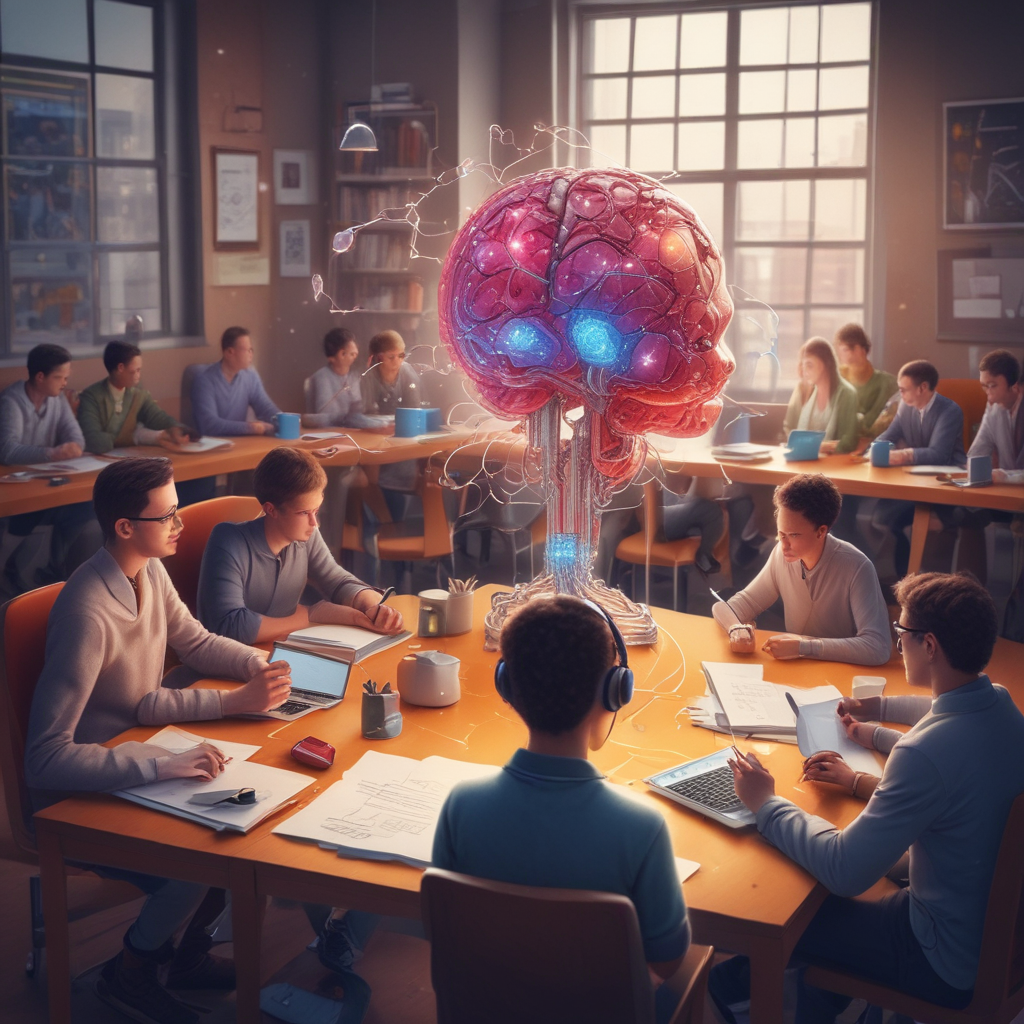
AI Transforms the Classroom Experience
Artificial intelligence (AI) has emerged as a powerful force in the world of education, revolutionizing how students learn and teachers instruct. Integrating AI-powered tools into the classroom has the potential to dramatically improve learning outcomes and engagement, according to a growing body of research.
Boosting Student Comprehension and Retention
A study published in the Journal of Educational Psychology found that AI-driven personalized learning platforms can increase student comprehension by up to 30% compared to traditional instruction. By adapting content and pace to individual student needs, AI systems help learners better grasp and retain complex concepts.
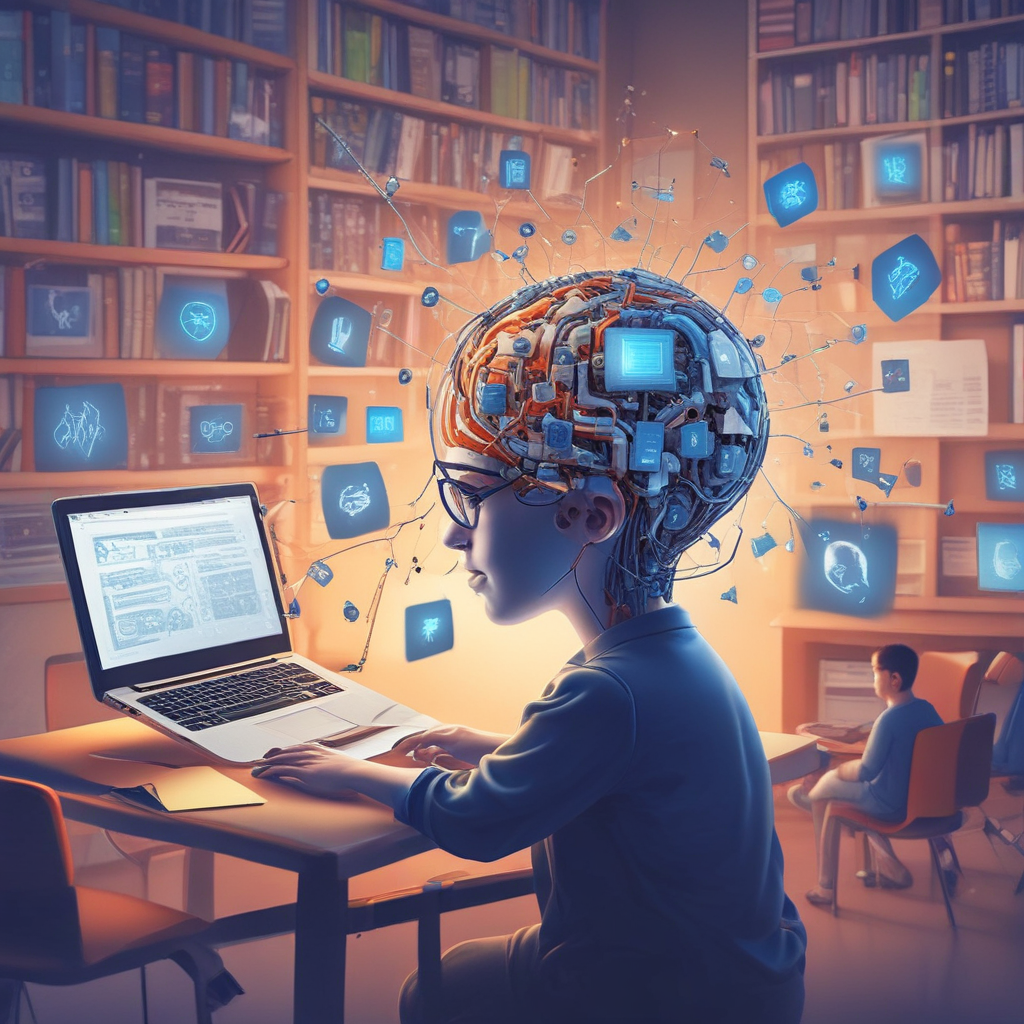 AI in EdTech: Reshaping Learning Outcomes - Boosting Student Comprehension and Retention
Boosting Student Comprehension and Retention
AI in EdTech: Reshaping Learning Outcomes - Boosting Student Comprehension and Retention
Boosting Student Comprehension and Retention
Enhancing Educator Productivity
AI is also transforming the role of teachers, freeing them from time-consuming administrative tasks and empowering them to focus on higher-impact activities. A recent Gartner report found that AI-powered grading and lesson planning tools can save educators up to 20 hours per week, allowing them to devote more time to personalized instruction and student mentorship.
Expanding Access to Quality Education
Beyond the classroom, AI is enabling broader access to quality educational resources. "AI-generated content and virtual tutoring can bring world-class instruction to underserved communities," says Dr. Liam Magee, an education technology researcher at the University of Sydney. "This levels the playing field and creates new pathways to academic and career success."
Ethical Considerations in AI-Driven EdTech
However, the integration of AI in education raises important ethical questions around data privacy, algorithmic bias, and the impact on human-centered teaching. Experts emphasize the need for rigorous testing, transparent AI systems, and clear governance frameworks to ensure EdTech innovations benefit all learners equitably.
"As AI becomes more pervasive in education, we must vigilantly guard against unintended consequences," cautions Dr. Peg Mischler, an instructional design professor at the University of Illinois. "Thoughtful, evidence-based deployment of these technologies is critical to realizing their full potential."
 AI in EdTech: Reshaping Learning Outcomes - Ethical Considerations in AI-Driven EdTech
Ethical Considerations in AI-Driven EdTech
AI in EdTech: Reshaping Learning Outcomes - Ethical Considerations in AI-Driven EdTech
Ethical Considerations in AI-Driven EdTech
The Future of AI-Powered Learning
While challenges remain, the promise of AI in education is clear. By enhancing pedagogy, streamlining workflows, and expanding access, these technologies are poised to transform the learning landscape in the years to come. As the EdTech sector continues to evolve, staying attuned to the latest research and best practices will be crucial for educators, policymakers, and industry leaders alike.
References
-
T. P. Nichols, Ezekiel Dixon-Román (2024). "Platform Governance and Education Policy: Power and Politics in Emerging Edtech Ecologies." semantic-scholar. [Link] (23 citations)
-
Wilson Eugenio Montes Reyna, Martha Lorena Humanante Carpio, Mónica Catalina Delgado Rodríguez et al. (2024). "Uso de los Recursos Educativos Abiertos y Tecnologías Educativas (EdTech) en la Educación Superior." semantic-scholar. [Link] (18 citations)
-
S. Gulyamov, Eduard Egamberdiev, AllahRakha Naeem (2024). "Practice-Oriented Approach to Reforming the Traditional Model of Higher Education with the Application of EdTech Technologies." semantic-scholar. [Link] (6 citations)
-
Xinran Zhu, Liam Magee, Peg Mischler (2025). "Integrating Generative AI into LMS: Reshaping Learning and Instructional Design." arxiv. [Link]
-
Ruggero Marino Lazzaroni, Alessandro Angioi, Michelangelo Puliga et al. (2025). "MedBench-IT: A Comprehensive Benchmark for Evaluating Large Language Models on Italian Medical Entrance Examinations." arxiv. [Link]