
Unlocking the Power of AI for Workforce Transformation
The rapid advancement of artificial intelligence (AI) technologies is fundamentally reshaping the modern workforce. As businesses grapple with the challenges and opportunities presented by this transformative shift, a strategic approach to workforce transformation is crucial for maintaining a competitive edge.
Quantifying the Business Impact of AI Adoption
According to a recent study by Accenture, companies that effectively leverage AI can boost their profitability by up to 38%. The key lies in identifying high-impact use cases that drive measurable outcomes, such as:
- Automating repetitive tasks to boost employee productivity by 15-20%
- Optimizing workforce planning and talent deployment to reduce labor costs by 10-15%
- Leveraging AI-powered analytics to make more informed, data-driven business decisions
"Organizations that embrace AI-powered workforce transformation are well-positioned to unlock significant competitive advantages," explains Elizabeth Koumpan, co-author of the study "Revolutionizing Talent: The Path in 21st Century Workforce Transformation." "By aligning AI implementation with strategic business objectives, leaders can achieve tangible ROI and position their companies for long-term success."
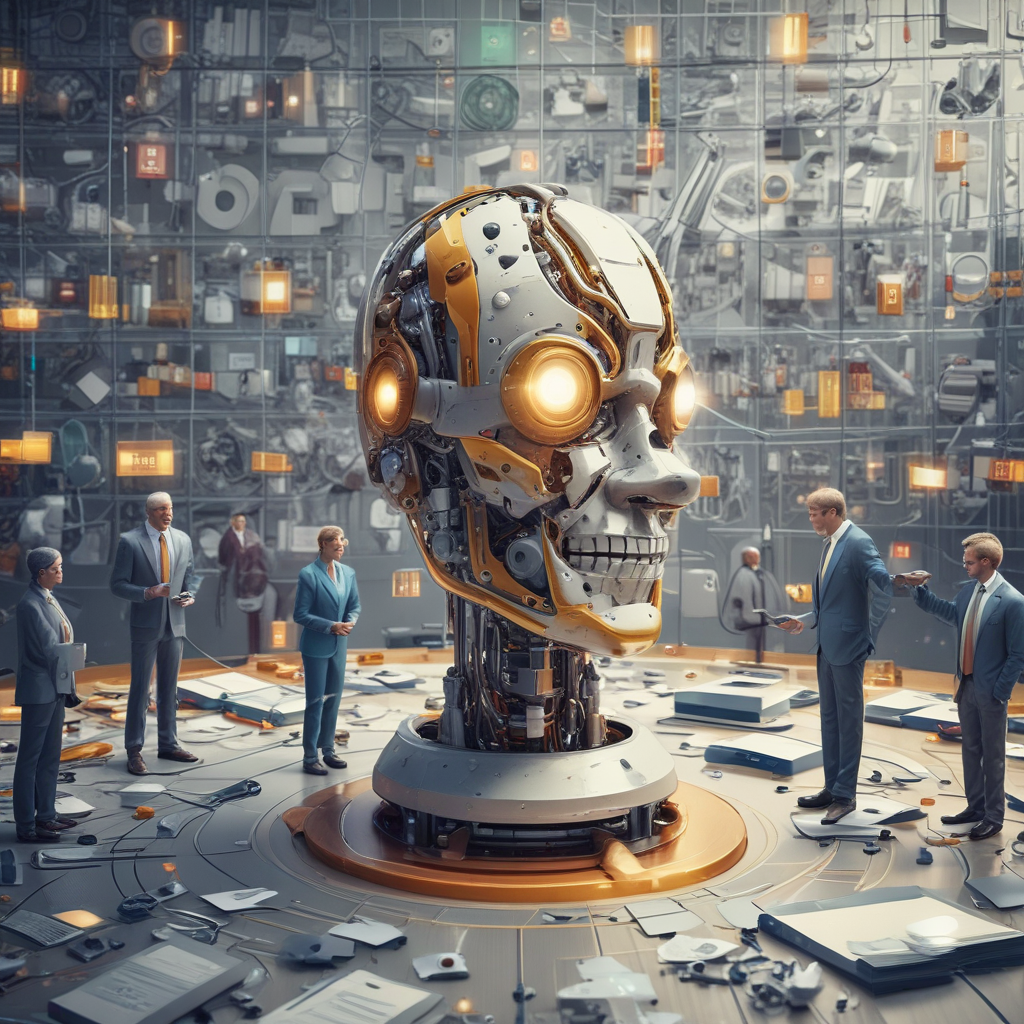 AI-Powered Workforce Transformation: Optimizing Business Impact - Quantifying the Business Impact of AI Adoption
Quantifying the Business Impact of AI Adoption
AI-Powered Workforce Transformation: Optimizing Business Impact - Quantifying the Business Impact of AI Adoption
Quantifying the Business Impact of AI Adoption
Navigating the Challenges of Workforce Transformation
While the benefits of AI-driven workforce transformation are clear, the path to implementation is not without its obstacles. Key challenges include:
- Developing the necessary AI skills and capabilities within the existing workforce
- Ensuring smooth integration of AI systems with existing workflows and legacy infrastructure
- Addressing ethical concerns around AI-powered decision-making and job displacement
To overcome these hurdles, businesses must adopt a holistic approach that prioritizes change management, upskilling programs, and proactive stakeholder engagement. "Successful workforce transformation requires a delicate balance of technology, talent, and organizational agility," says Viswanath Shenoi, co-author of the study "Analysing the Role of Human-AI Collaboration in Workforce Transformation."
Unlocking the Full Potential of AI-Powered Workforce Transformation
By embracing AI-powered workforce transformation, businesses can unlock a world of strategic opportunities. From enhanced productivity and cost optimization to data-driven decision-making and improved employee experiences, the potential benefits are vast. As Abeer Al Yahmadi, co-author of the "AI-Driven Workforce Transformation Model" study, notes, "The future of work is being shaped by AI, and those who adapt quickly will be the ones who thrive in the years to come."
Whether you're a C-suite executive, an HR leader, or a business strategist, understanding the impact of AI on the workforce is essential for driving sustainable growth and maintaining a competitive edge. By aligning AI implementation with your organization's unique needs and objectives, you can unlock the full potential of this transformative technology and position your business for long-term success.
 AI-Powered Workforce Transformation: Optimizing Business Impact - Unlocking the Full Potential of AI-Powered Workforce Transformation
Unlocking the Full Potential of AI-Powered Workforce Transformation
AI-Powered Workforce Transformation: Optimizing Business Impact - Unlocking the Full Potential of AI-Powered Workforce Transformation
Unlocking the Full Potential of AI-Powered Workforce Transformation
References
-
Elizabeth Koumpan, Lynda Mcowen (2024). "Revolutionizing Talent: The Path in 21st Century Workforce Transformation." semantic-scholar. [Link] (4 citations)
-
Viswanath Shenoi, Kandikanti Rohith, Goud et al. (2024). "Analysing the Role of Human-AI Collaboration in Workforce Transformation." semantic-scholar. [Link] (2 citations)
-
Abeer Al Yahmadi, Shabib Al Mahrouqi, Nadir Al Hinai et al. (2024). "Ai-Driven Workforce Transformation Model." semantic-scholar. [Link] (1 citations)
-
Jiahao Qiu, Xuan Qi, Hongru Wang et al. (2025). "Alita-G: Self-Evolving Generative Agent for Agent Generation." arxiv. [Link]
-
Hagen Papenburg (2025). "The Benjamin-Ono equation with quasi-periodic data." arxiv. [Link]