Technology & AI
Cerritos teen invents AI-powered device to help detect and treat crossed eyes
Source: KABC-TV
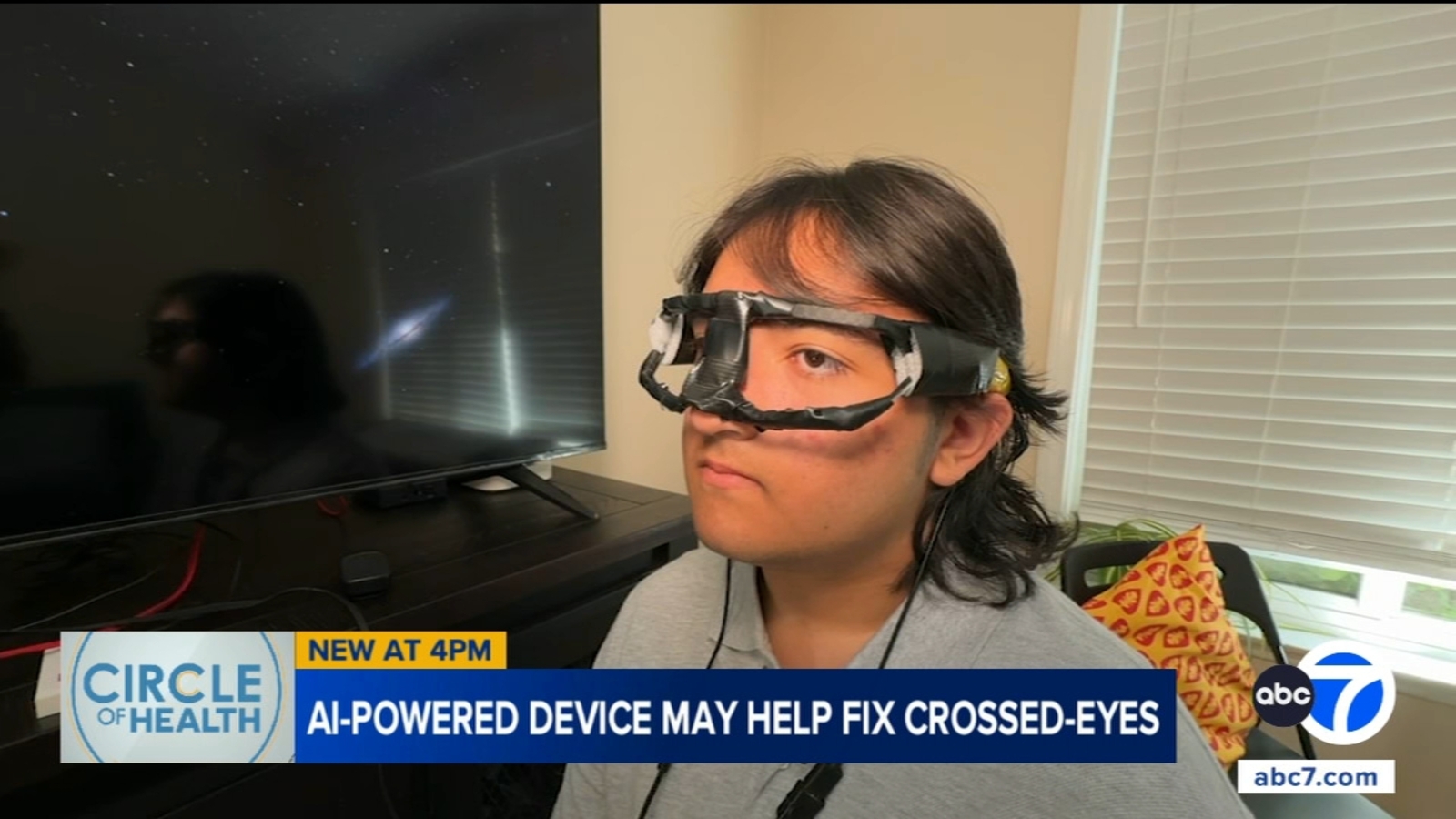
A 14-year-old student from Cerritos has invented an AI-powered wearable device that detects and helps treat strabismus (crossed eyes) in real time by monitoring eye movement and providing corrective feedback. The device uses artificial intelligence to identify eye drift and assist users in realigning their vision, offering a non-invasive alternative to traditional treatments like surgery or glasses. Balani's innovation addresses a common vision condition that affects millions of people worldwide.
Read Full Article at KABC-TVRelated Articles
OpenAI vs Anthropic Web Search Pricing: Same $10 Sticker, Two Different Bills
OpenAI and Anthropic both list web search at $10 per 1,000 calls, but they bill the retrieved content differently. What one search costs on each API, and the settings that cap it.
EU AI Act Article 73 Serious Incident Reporting Requirements: The Clock Starts When You Find Out
Under the EU AI Act Article 73 serious incident reporting requirements, the deadline does not wait for your investigation to finish. It starts when the provider or deployer becomes aware of the serious incident. Article 73 does give fixed limits of 2, 10 and 15 days, but its main instruction is…
EU AI Act AI Literacy Requirements for Managers: A Softer Rule Meets Live Enforcement
Article 4 still requires providers and deployers of AI systems to support their staff's AI literacy, but since mid-July 2026 no specific level is required. National authorities can enforce it from 2 August 2026.
Gemini API Free Tier Data Privacy: What Google Keeps, and Why Europe Gets Paid Rules for Free
On Google AI Studio and the free Gemini API quota, Google uses your prompts and responses to improve its products, and human reviewers may read them. Paid services don't, Europe gets the paid rules for free, and Search grounding keeps data for 30 days.