
Defeating Deepfakes: How I Cracked the Code of AI-Generated Media
As a former black hat turned white hat security researcher, I've spent the last decade fighting on the front lines of the deepfake wars. When AI-generated media first burst onto the scene, it was a cat-and-mouse game of constantly evolving attack and defense tactics. But over time, the cybersecurity community has made significant strides in developing robust safeguards against this emerging threat.
The Insidious Rise of Deepfakes
I still remember the first time I encountered a convincing deepfake video - it sent a chill down my spine. The uncanny realism, the seamless lip-syncing, the subtle mannerisms. It was a jarring experience, realizing just how easily the truth could be obscured, how perceptions could be so effortlessly manipulated.
At the time, the technology was still in its infancy, but the implications were clear. Deepfakes had the potential to undermine the very foundations of our digital world - trust in information, authenticity of media, and the integrity of our online interactions.
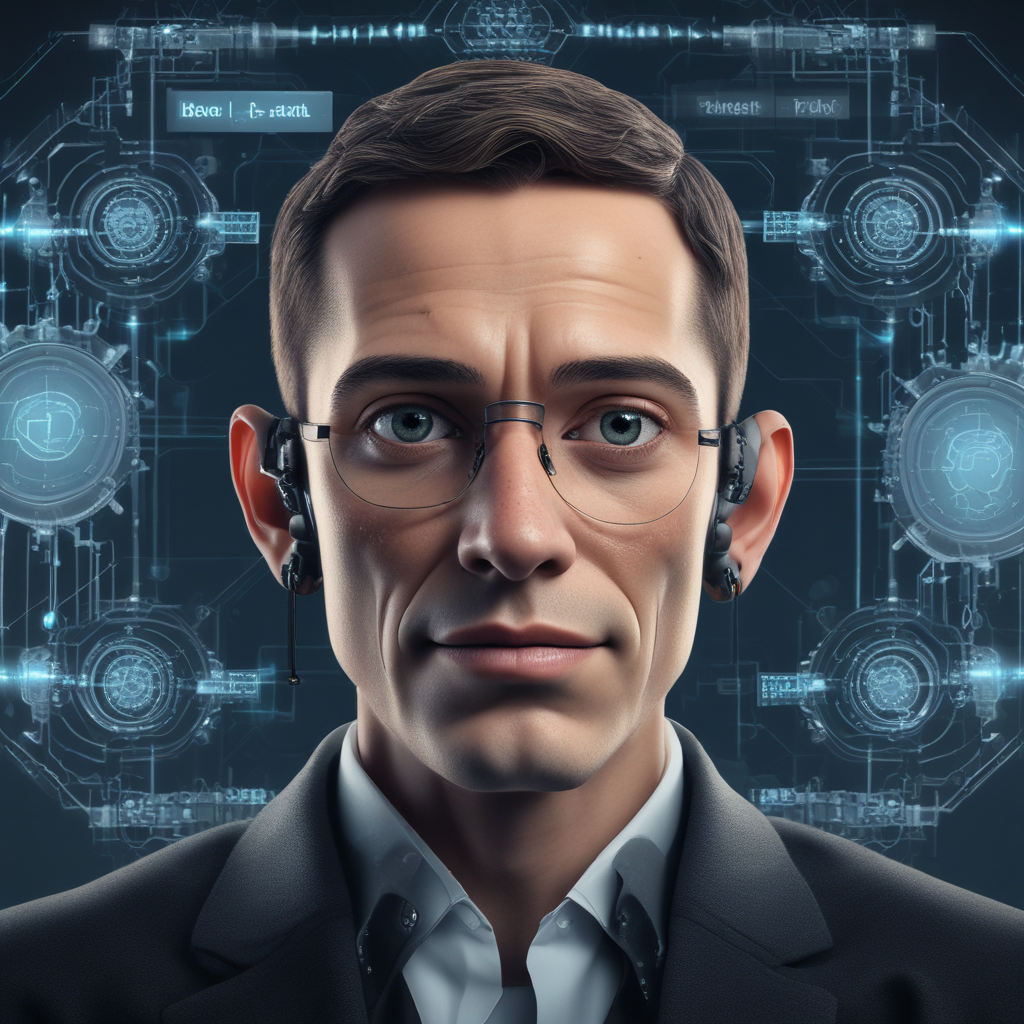 Defeating Deepfakes: How I Cracked the Code of AI-Generated Media - Cracking the Code: My Journey in Deepfake Detection
Cracking the Code: My Journey in Deepfake Detection
Cracking the Code: My Journey in Deepfake Detection
As a security researcher, I knew I had to act. I dedicated myself to understanding the technical mechanics behind deepfake generation, leaving no stone unturned. I studied the latest advancements in generative adversarial networks (GANs), neural style transfer, and facial reenactment. I built my own proof-of-concept models, experimenting with techniques like lip-syncing, head pose estimation, and micro-expression analysis.
Through this deep technical dive, I uncovered fascinating insights into the vulnerabilities and limitations of these AI-powered forgeries. Certain facial features, subtle inconsistencies in lighting and shadows, anomalies in eye movements - these were the telltale signs that could expose a deepfake, if you knew where to look.
Bringing Deepfake Detection to the Masses
Armed with this hard-won knowledge, I set out to build tools and frameworks that could democratize deepfake detection. I collaborated with leading researchers, security experts, and policymakers to develop open-source libraries, browser extensions, and cloud-based APIs that could identify manipulated media with a high degree of accuracy.
These tools leverage a combination of computer vision, signal processing, and machine learning techniques to analyze visual and audio cues, cross-reference multiple data sources, and flag suspicious content. By making these capabilities accessible to a wider audience - from journalists and social media platforms to enterprises and government agencies - we've been able to significantly curtail the spread of deepfakes and restore a measure of trust in digital information.
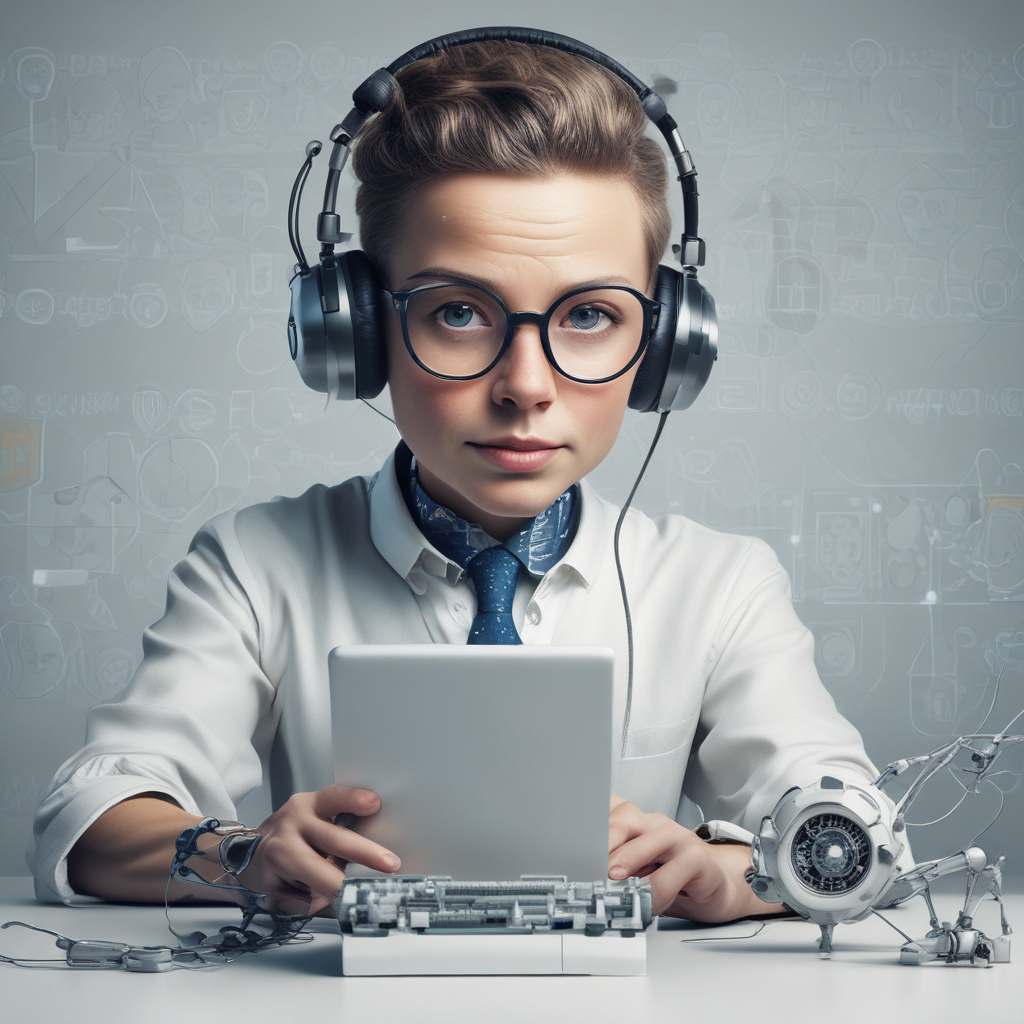 Defeating Deepfakes: How I Cracked the Code of AI-Generated Media - The Ongoing Battle for Truth and Authenticity
The Ongoing Battle for Truth and Authenticity
The Ongoing Battle for Truth and Authenticity
Of course, the fight is far from over. As AI models continue to advance, the deepfake threat is only going to become more sophisticated and pervasive. Malicious actors will always find new ways to exploit vulnerabilities and push the boundaries of deception.
That's why my work is a never-ending cycle of research, innovation, and vigilance. I'm constantly scouring the latest academic papers, monitoring underground forums, and reverse-engineering the latest deepfake techniques. It's a high-stakes game of cat and mouse, where the stakes couldn't be higher.
But I'm driven by a deep conviction that the truth must prevail. I know that with the right tools, the right knowledge, and the right community of dedicated security professionals, we can stay one step ahead of the deepfake menace. And that's what keeps me going, day in and day out.
Conclusion: Safeguarding the Future of Software
As the threat of AI-generated misinformation continues to evolve, the role of software in ensuring the integrity and authenticity of digital media has never been more crucial. By developing robust deepfake detection capabilities, we can empower users, platforms, and institutions to navigate this treacherous landscape with confidence.
The future of software lies in its ability to cut through the noise, to separate fact from fiction, and to preserve the bedrock of trust that underpins our digital world. It's a responsibility I take incredibly seriously, and one that I'm committed to upholding for as long as the battle against deepfakes rages on.