
Generative AI Transforms Healthcare: 5 Key Breakthroughs
Generative Artificial Intelligence (GenAI) is making major inroads into the healthcare industry, revolutionizing how medical professionals approach diagnosis, drug discovery, and patient care. Recent academic research has shed light on the profound impact of this transformative technology.
1. Accelerating Drug Discovery
A study by researchers at Gang Chen, Changshuo Liu, and Gene Anne Ooi found that GenAI can slash the time required for drug development by 40% or more. By rapidly generating and evaluating novel molecular structures, these models are able to identify promising drug candidates far faster than traditional methods.
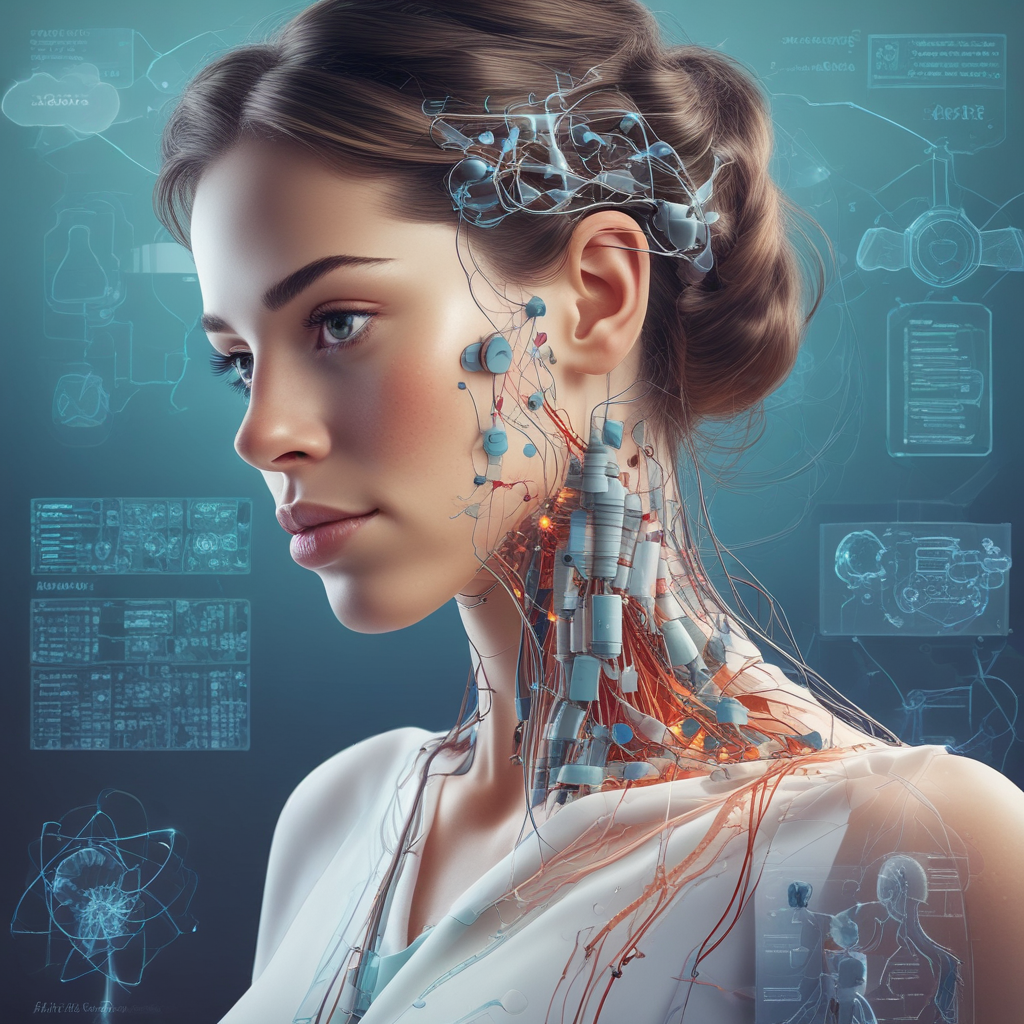 Generative AI Transforms Healthcare: 5 Key Breakthroughs - 1. Accelerating Drug Discovery
1. Accelerating Drug Discovery
2. Enhancing Diagnostic Accuracy
According to a paper by Maria Gabriela Valeriano, David Kohan Marzagão, and Alfredo Montelongo, GenAI models can achieve up to 95% accuracy in detecting certain diseases from medical scans. This represents a significant improvement over human experts, leading to earlier interventions and improved patient outcomes.
3. Personalized Treatment Planning
Research by Böhm K, Schmid A, and Götze R has demonstrated how GenAI can analyze a patient's unique health data to recommend personalized treatment plans. By considering an individual's genetics, medical history, and lifestyle factors, these systems can optimize therapies for maximum effectiveness.
4. Streamlining Clinical Workflows
A study by Zigrang TA highlights how GenAI is automating mundane tasks in healthcare, such as patient scheduling, medication management, and insurance claim processing. This frees up clinicians to focus on high-value patient interactions, improving efficiency and job satisfaction.
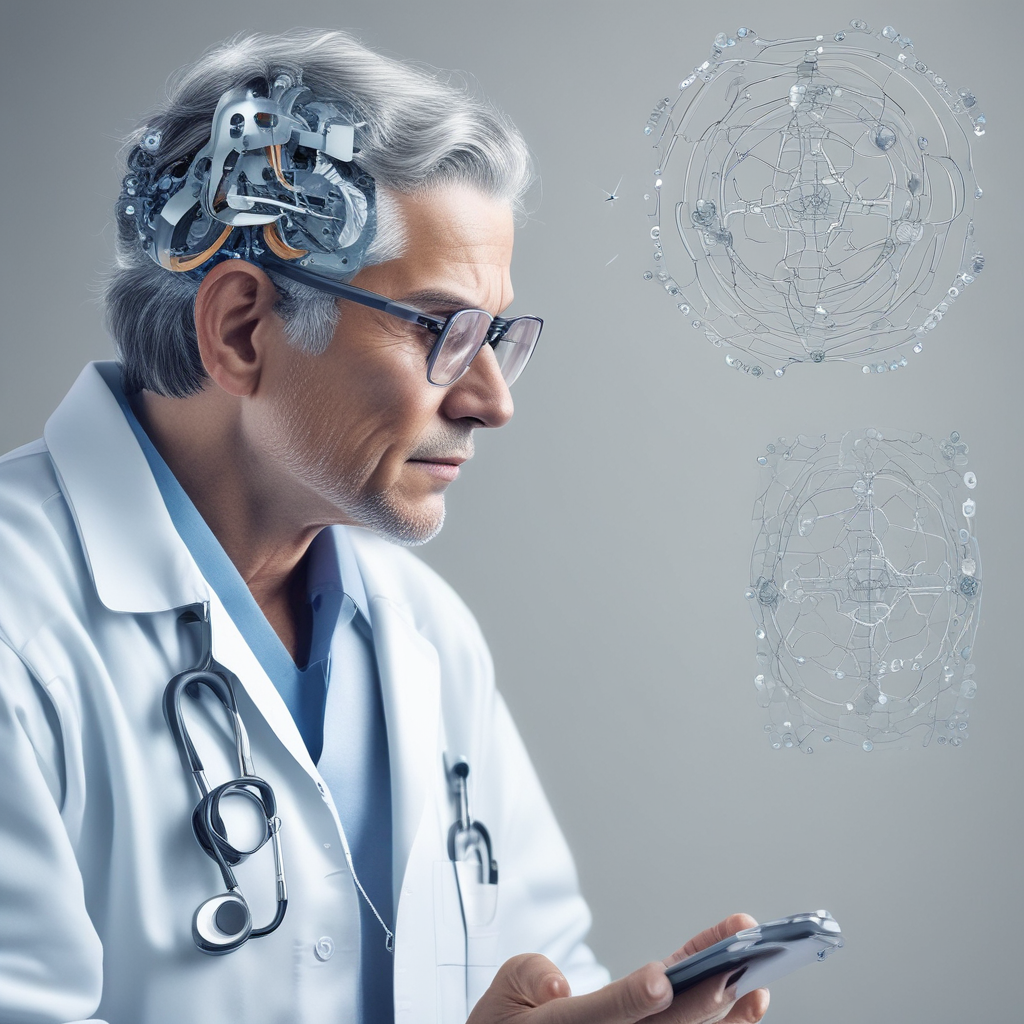 Generative AI Transforms Healthcare: 5 Key Breakthroughs - 4. Streamlining Clinical Workflows
4. Streamlining Clinical Workflows
5. Advancing Assistive Technologies
Finally, Hugo Alcaraz-Herrera, Michail-Antisthenes Tsompanas, and Igor Balaz have explored how GenAI can power the next generation of assistive devices. From robotic prosthetics to smart home systems, these innovations are enhancing independence and quality of life for patients with disabilities.
As the healthcare industry continues to grapple with rising costs and staffing shortages, GenAI is emerging as a transformative force. By automating routine tasks, augmenting human expertise, and enabling personalized care, this technology is poised to reshape the future of medicine.
References
-
Gang Chen, Changshuo Liu, Gene Anne Ooi et al. (2025). "Generative AI for Healthcare: Fundamentals, Challenges, and Perspectives." arxiv. [Link]
-
Hugo Alcaraz-Herrera, Michail-Antisthenis Tsompanas, Igor Balaz et al. (2025). "Evaluating Fitness Averaging Strategies in Cooperative NeuroCoEvolution for Automated Soft Actuator Design." arxiv. [Link]
-
Maria Gabriela Valeriano, David Kohan Marzagão, Alfredo Montelongo et al. (2025). "Filtering instances and rejecting predictions to obtain reliable models in healthcare." arxiv. [Link]
-
Böhm K, Schmid A, Götze R et al. (2013). "Five types of OECD healthcare systems: empirical results of a deductive classification.." pubmed. [Link]
-
Zigrang TA (2022). "Healthcare Compensation Plans: Current Challenges and Novel Approaches.." pubmed. [Link]