
The AI Revolution in Clinical Care Delivery
As a physician with deep expertise in health informatics, I've witnessed firsthand the transformative impact of artificial intelligence on the practice of medicine. AI is not just a buzzword - it's a powerful set of technologies that is fundamentally reshaping how we deliver clinical care and improve patient outcomes.
At the heart of this revolution is the ability of AI systems to analyze vast troves of medical data, uncover hidden patterns, and generate actionable insights that support more personalized, evidence-based decision-making. By harnessing the power of AI, healthcare organizations can unlock significant operational efficiencies and deliver demonstrable return on investment.
Streamlining Workflows and Boosting Productivity
One of the most compelling business cases for AI in medicine lies in its capacity to automate repetitive, time-consuming tasks that burden healthcare providers. AI-powered tools can rapidly parse electronic health records, imaging scans, and clinical notes to surface critical information, freeing up clinicians to focus on high-value patient interactions.
For example, AI-assisted diagnostic imaging can dramatically accelerate radiological analysis, flagging potential abnormalities with precision and consistency that exceeds human capabilities. This not only reduces turnaround times, but also helps catch issues that might be missed by overworked radiologists. Studies have shown AI-powered image analysis can boost productivity by 20-30% while maintaining or even improving accuracy.
Similarly, AI chatbots and virtual assistants are revolutionizing intake and triage, guiding patients through symptoms assessments, appointment scheduling, and care navigation. By automating these routine administrative touchpoints, healthcare systems can optimize workflows, reduce staffing costs, and improve the overall patient experience.
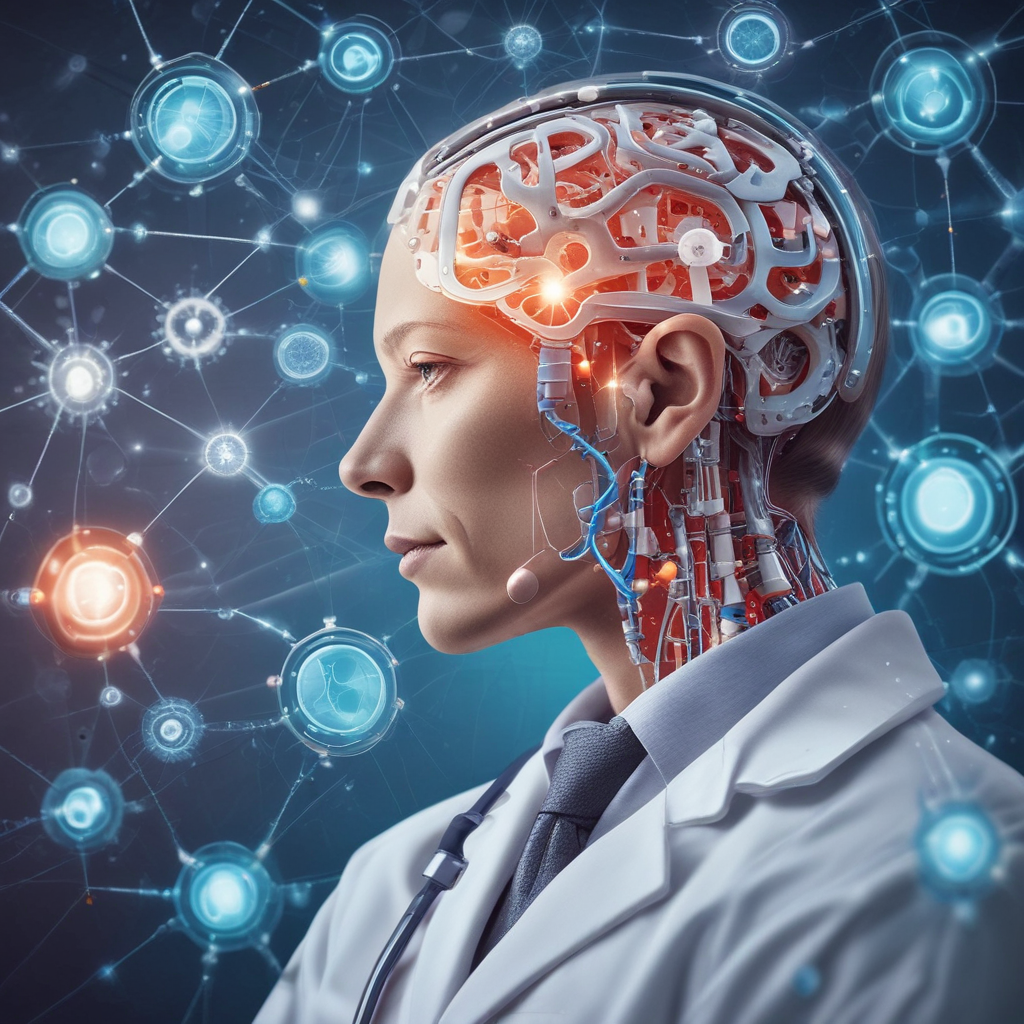 How AI Transforms Precision Medicine in Healthcare - Streamlining Workflows and Boosting Productivity
Streamlining Workflows and Boosting Productivity
Driving Precision in Diagnosis and Treatment
But the true power of AI in medicine goes far beyond workflow optimization. The most transformative applications leverage machine learning to uncover previously invisible patterns in complex, multi-dimensional medical data. This allows for unprecedented precision in predicting disease progression, optimizing treatment plans, and forecasting patient outcomes.
Consider the case of an AI system developed by researchers at Stanford University that can predict a patient's risk of cardiovascular disease with greater accuracy than traditional clinical models. By analyzing a wide range of factors - from medical history and lab results to socioeconomic data and lifestyle behaviors - the AI tool generates highly personalized risk assessments. This empowers clinicians to intervene earlier, implement targeted prevention strategies, and ultimately reduce costly adverse events.
Similar breakthroughs are emerging across oncology, neurology, and other high-stakes medical specialties. AI-powered clinical decision support systems are helping providers navigate the bewildering array of treatment options, matching patients to the interventions most likely to be effective based on their unique genetic profiles, comorbidities, and historical outcomes.
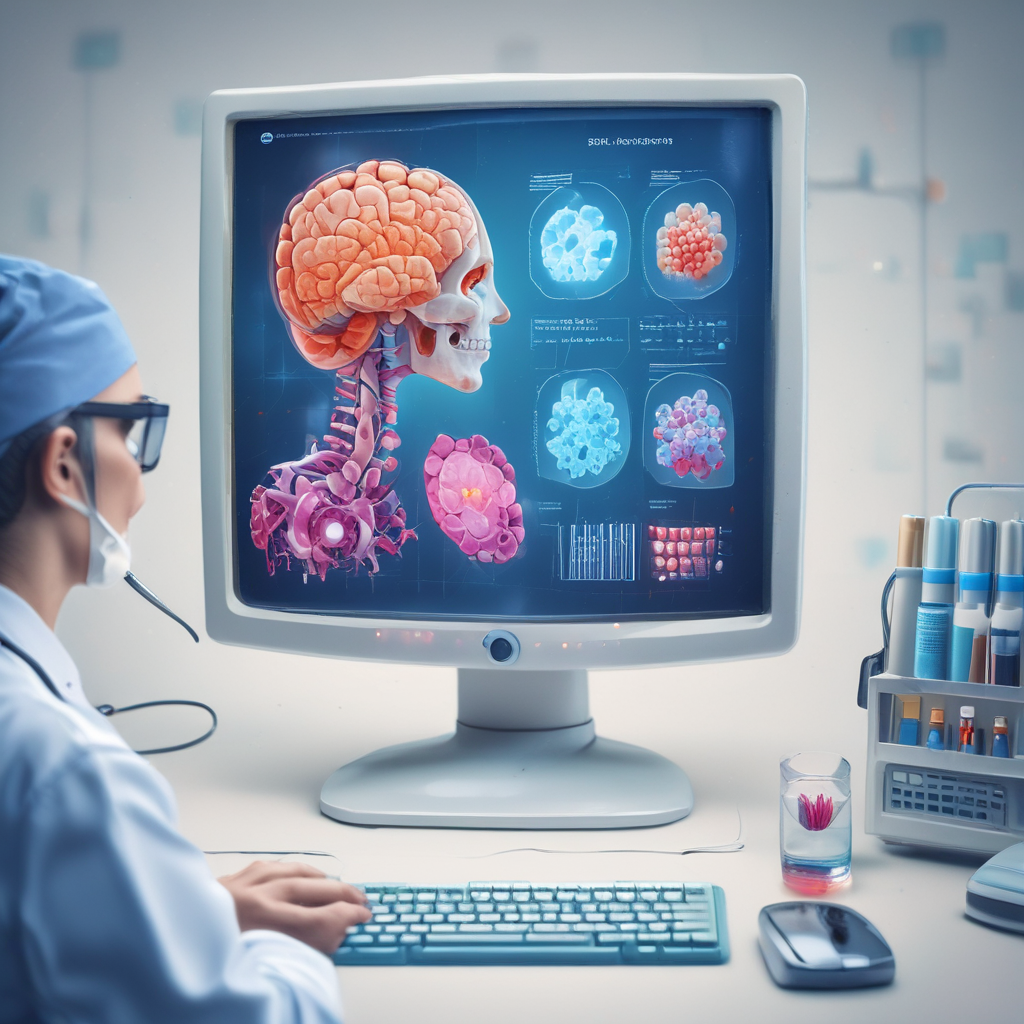 How AI Transforms Precision Medicine in Healthcare - Driving Precision in Diagnosis and Treatment
Driving Precision in Diagnosis and Treatment
Quantifying the Business Impact of AI in Healthcare
The tangible benefits of AI-powered precision medicine are increasingly being captured in hard dollars and cents. A recent analysis by McKinsey & Company found that AI applications in healthcare could generate up to $600 billion in annual value - a staggering figure that encompasses everything from reduced operational costs and improved productivity to better patient outcomes and revenue growth.
For healthcare leaders seeking a competitive edge, strategic investments in AI present a rare opportunity. By embracing these transformative technologies, forward-thinking organizations can streamline workflows, enhance diagnostic accuracy, optimize treatment plans, and ultimately deliver superior, more cost-effective care.
The future of medicine is being written in the language of AI. As a physician and health informatics expert, I'm excited to be at the forefront of this revolution, using data-driven insights to improve lives. I encourage my fellow clinicians and healthcare administrators to explore the immense potential of AI - the time to act is now.