
Inworld AI Characters: Revolutionizing Game Development with $50M Investment
The gaming industry is witnessing a fundamental shift in how non-player characters (NPCs) interact with players, and Inworld AI characters are leading this transformation. Gone are the days of scripted, repetitive dialogue trees that leave players frustrated with predictable responses. According to gamesbeat.com, Inworld AI has raised $50 million for its developer platform to create AI-driven virtual characters in video games and the metaverse, signaling massive investor confidence in this revolutionary approach to game development.
Beyond Traditional NPCs: The Intelligence Revolution
What makes Inworld AI characters fundamentally different from conventional game characters? Traditional NPCs follow predetermined scripts, offering the same responses regardless of context or player behavior. Inworld's technology changes this paradigm entirely.
As reported by skywork.ai, Inworld AI uses large language models (LLMs) to create dynamic NPCs with personality, emotions, memory, perception, and autonomous goals. These characters don't just respond—they remember previous conversations, develop relationships with players, and pursue their own objectives within the game world. The platform features agentic AI and multimodal action planning, allowing characters to process visual, audio, and contextual information simultaneously.
This represents a massive leap forward in ai character development tools. Developers can now create characters that evolve throughout gameplay, forming genuine connections with players rather than simply delivering exposition.
Technical Capabilities That Set the Standard
The technical architecture behind Inworld AI characters addresses specific pain points that have plagued game developers for decades. According to revoyant.com, the platform offers lifelike AI characters featuring memory, personality, emotions, and real-time reactions for games and applications.
The system includes several breakthrough features:
- Character Memory: NPCs remember past interactions and reference them in future conversations
- Emotional AI: Characters display and respond to emotional cues naturally
- Goal-Driven Behaviors: Each character pursues autonomous objectives that create emergent gameplay
- SDK Integration: Seamless implementation into existing game engines
What distinguishes Inworld from generic language models is developer control. As noted by skywork.ai, Inworld differentiates from generic LLMs by providing developer controls for lore consistency and scalability. This ensures characters remain true to the game's narrative while offering unprecedented interactivity.
Industry Applications and Market Impact
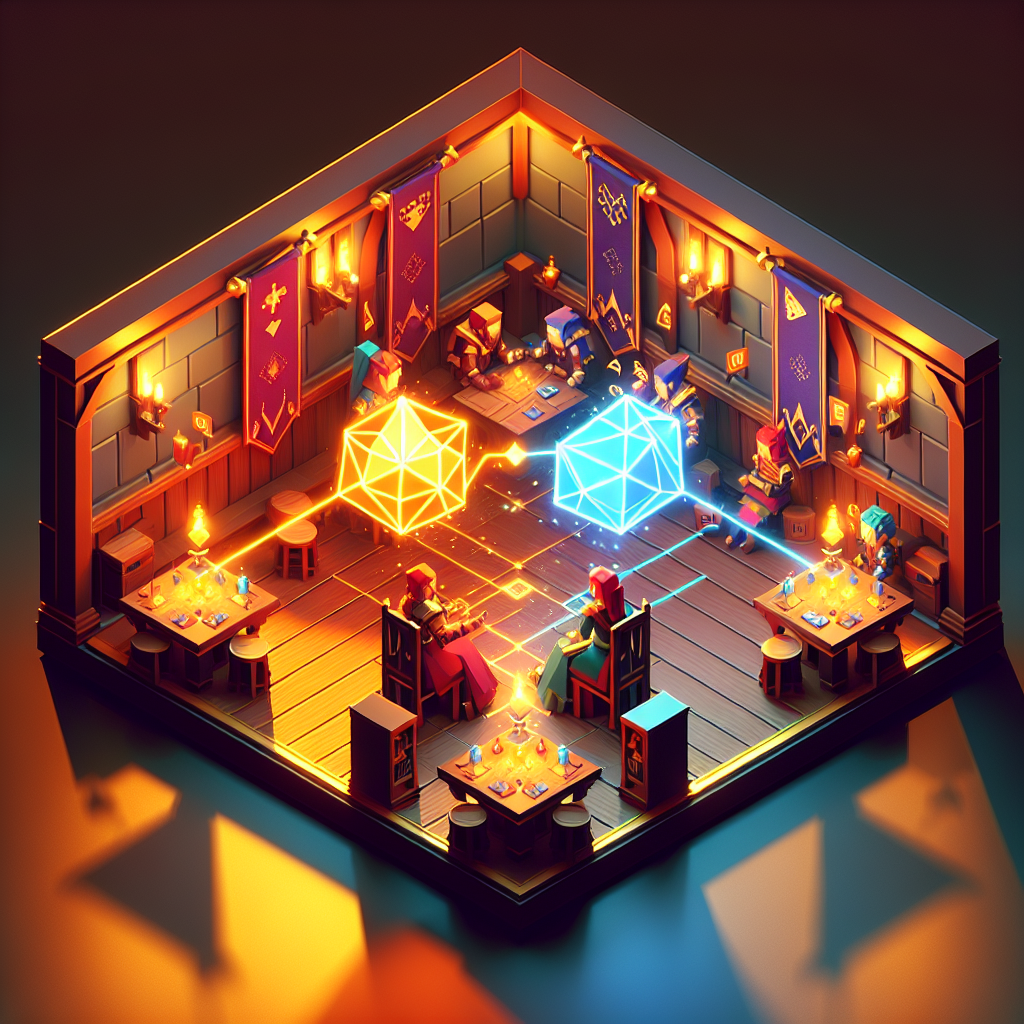 Inworld AI characters transform game development with intelligent NPC dialogue systems beyond static interactions.
The $50 million funding round reflects serious industry demand for interactive npc dialogue systems. Game developers, narrative designers, and content creators are already implementing these characters across various gaming genres.
The hiring of John Gaeta as chief creative officer, as reported by gamesbeat.com, brings Matrix trilogy and Star Wars expertise to the platform. This signals Inworld's commitment to cinematic-quality character experiences that rival traditional storytelling mediums.
Current applications span multiple gaming sectors:
- Open-world RPGs: Characters that remember player choices across hundreds of hours of gameplay
- Multiplayer experiences: AI companions that adapt to different player groups dynamically
- Educational games: Tutors and guides that personalize learning based on student progress
- Metaverse platforms: Persistent characters that maintain relationships across virtual worlds
The Future of Procedurally Generated Game Personalities
Looking ahead, Inworld AI characters represent just the beginning of procedurally generated game personalities. The platform's on-device processing capabilities, highlighted by skywork.ai, enable real-time character generation without server dependencies, crucial for maintaining immersion during gameplay.
The implications extend beyond entertainment. These characters could transform training simulations, therapeutic applications, and educational software by providing consistent, empathetic interactions that adapt to individual user needs.
For Xbox and other console manufacturers, integrating such technology could differentiate platforms significantly. Players increasingly expect personalized experiences, and AI characters that remember, learn, and grow alongside them represent the natural evolution of gaming's interactive potential.
The $50 million investment validates what many developers suspected: the future of gaming lies not just in graphics or mechanics, but in creating genuine relationships between players and the digital worlds they inhabit. As Inworld AI characters become more sophisticated, they promise to blur the line between scripted entertainment and authentic human connection, fundamentally changing how we think about interactive storytelling in games.
Sources
- GamesBeat – "Inworld AI raises $50M to populate games and the metaverse with smart characters" (2024)
- Skywork AI – "Inworld AI: My Deep Dive into the Future of Interactive Characters" (2025)
- Revoyant – "Inworld AI: Steps To Create Your First Smart Character 2025" (2025)