Science & Research
Quantum, AI sovereignty, indigenous ecosystems to define India's next-generation growth: Dr Jitendra
Source: Daily Excelsior
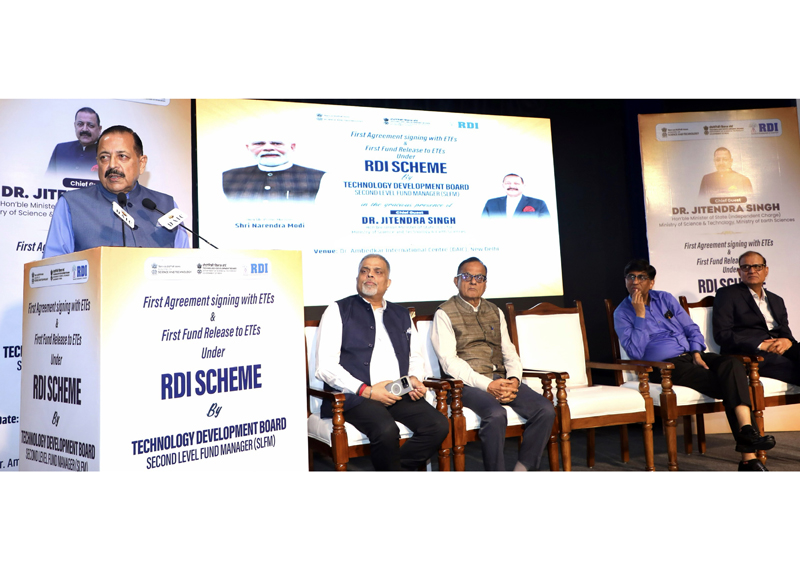
India's next-generation growth will be driven by three key pillars: quantum technology, artificial intelligence sovereignty, and protection of indigenous ecosystems, according to Union Minister Dr. Jitendra Singh. The minister emphasized the need for India to develop self-reliant capabilities in quantum computing and AI while simultaneously preserving its natural heritage and biodiversity. These strategic priorities reflect India's commitment to balancing technological advancement with environmental sustainability and economic independence.
Read Full Article at Daily ExcelsiorRelated Articles
OpenAI vs Anthropic Web Search Pricing: Same $10 Sticker, Two Different Bills
OpenAI and Anthropic both list web search at $10 per 1,000 calls, but they bill the retrieved content differently. What one search costs on each API, and the settings that cap it.
EU AI Act Article 73 Serious Incident Reporting Requirements: The Clock Starts When You Find Out
Under the EU AI Act Article 73 serious incident reporting requirements, the deadline does not wait for your investigation to finish. It starts when the provider or deployer becomes aware of the serious incident. Article 73 does give fixed limits of 2, 10 and 15 days, but its main instruction is…
EU AI Act AI Literacy Requirements for Managers: A Softer Rule Meets Live Enforcement
Article 4 still requires providers and deployers of AI systems to support their staff's AI literacy, but since mid-July 2026 no specific level is required. National authorities can enforce it from 2 August 2026.
Gemini API Free Tier Data Privacy: What Google Keeps, and Why Europe Gets Paid Rules for Free
On Google AI Studio and the free Gemini API quota, Google uses your prompts and responses to improve its products, and human reviewers may read them. Paid services don't, Europe gets the paid rules for free, and Search grounding keeps data for 30 days.