
The Rise of AI in Diagnostics: Promises and Pitfalls
Artificial Intelligence (AI) has emerged as a transformative force in the healthcare industry, revolutionizing the way medical professionals approach diagnosis and treatment. As AI-powered diagnostics gain traction, healthcare organizations are grappling with the challenges of effective implementation and large-scale adoption.
Unlocking the Potential of AI Diagnostics
AI algorithms have demonstrated remarkable capabilities in accurately identifying patterns and anomalies in medical imaging, laboratory test results, and patient data. By augmenting the expertise of clinicians, AI-driven diagnostics promise to improve patient outcomes, reduce healthcare costs, and enhance the efficiency of care delivery.
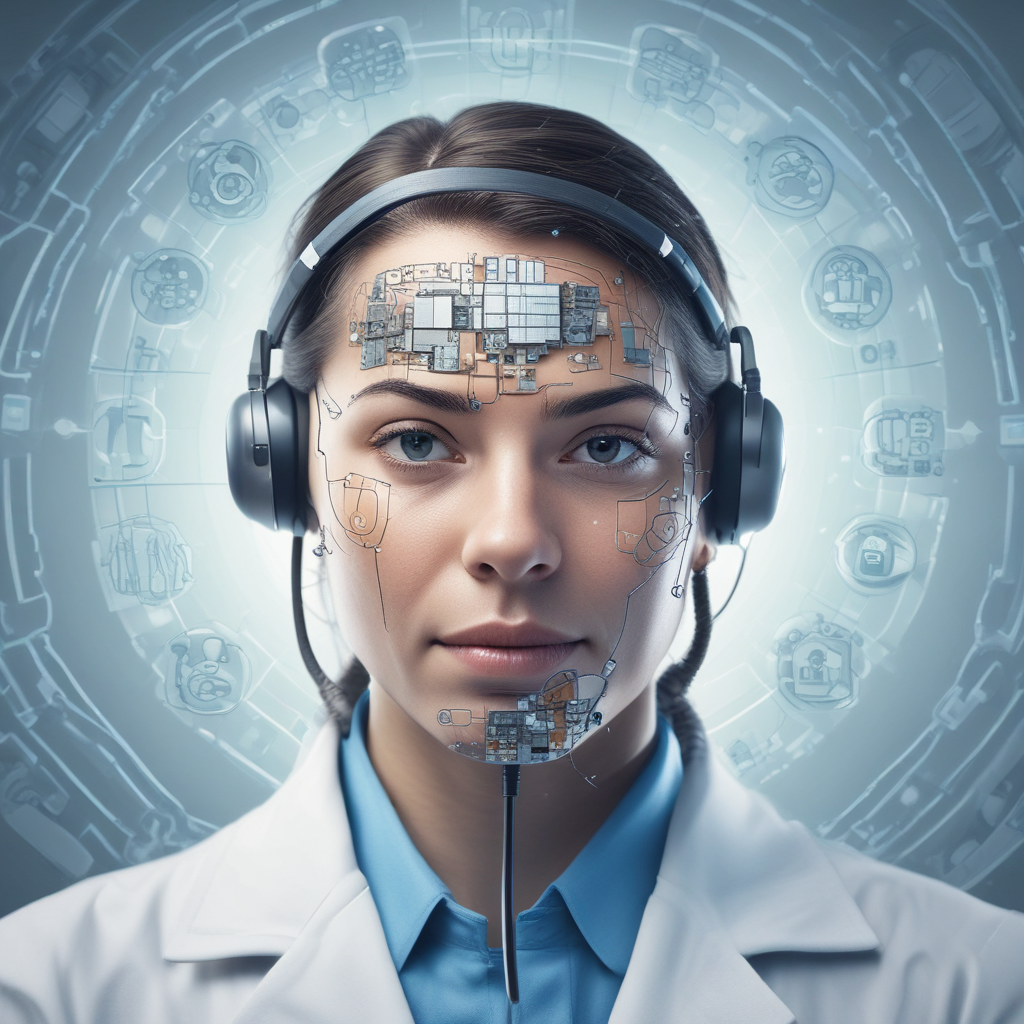 Scaling AI-Powered Diagnostics: Navigating Challenges, Driving Adoption - Unlocking the Potential of AI Diagnostics
Unlocking the Potential of AI Diagnostics
Overcoming Implementation Hurdles
However, the path to widespread adoption of AI diagnostics is paved with obstacles. Integrating these advanced technologies into existing clinical workflows, ensuring data privacy and security, and navigating regulatory frameworks pose significant challenges for healthcare providers. Addressing these issues requires a multifaceted approach that prioritizes stakeholder collaboration, robust governance frameworks, and ongoing education and training.
Driving Adoption through Collaboration and Transparency
To unlock the full potential of AI diagnostics, healthcare organizations must foster a culture of trust and transparency. By engaging with patients, clinicians, and regulatory bodies, they can build confidence in the reliability and safety of these AI-powered tools. Collaborative research efforts and transparent reporting on the performance and limitations of AI models can further accelerate the adoption of this transformative technology.
 Scaling AI-Powered Diagnostics: Navigating Challenges, Driving Adoption - Driving Adoption through Collaboration and Transparency
Driving Adoption through Collaboration and Transparency
Conclusion: Realizing the Promise of AI Diagnostics
As the healthcare industry continues to grapple with the complexities of AI implementation, the promise of AI-powered diagnostics remains undeniable. By addressing the challenges head-on and prioritizing stakeholder engagement, healthcare organizations can unlock the transformative potential of this technology, ultimately delivering more accurate, efficient, and personalized care to patients.
References
-
Yusu Qian, Cheng Wan, Chao Jia et al. (2025). "PRISM-Bench: A Benchmark of Puzzle-Based Visual Tasks with CoT Error Detection." arxiv. [Link]
-
Matthew Kiser, Max McGinley, Daniel Malz (2025). "Gaussian tomography for cold-atom simulators." arxiv. [Link]
-
Yizhang Zhu, Liangwei Wang, Chenyu Yang et al. (2025). "A Survey of Data Agents: Emerging Paradigm or Overstated Hype?." arxiv. [Link]
-
Reddy S (2024). "Generative AI in healthcare: an implementation science informed translational path on application, integration and governance.." pubmed. [Link]
-
Nordblom NF, Büttner M, Schwendicke F (2024). "Artificial Intelligence in Orthodontics: Critical Review.." pubmed. [Link]