
Telemedicine Revolutionizes Healthcare Accessibility
As the COVID-19 pandemic swept the globe, telemedicine emerged as a critical lifeline for healthcare systems struggling to maintain care delivery. A comprehensive review published in the Journal of Medical Internet Research examined the impact of telemedicine on improving healthcare accessibility, particularly during times of crisis.
The study, led by researchers from the University of California San Francisco and the University of Pennsylvania, analyzed data from over 130 peer-reviewed studies on telemedicine implementation and outcomes. Their findings paint a clear picture of telemedicine's transformative potential.
"Telemedicine has proven itself as an invaluable tool for expanding access to care, especially for vulnerable populations," explained Dr. Joshua Hollander, lead author of the review. "During the COVID-19 pandemic, it allowed healthcare providers to safely deliver services remotely and mitigate disruptions to routine care."
Boosting Access Across Geographies and Demographics
The review highlighted several ways in which telemedicine improves healthcare accessibility:
-
Reaching Rural Populations: Telemedicine enables clinicians to provide care to patients in remote and underserved areas, overcoming geographic barriers to access.
-
Serving Vulnerable Groups: Video consultations and remote monitoring allow the elderly, disabled, and chronically ill to receive care from the safety and comfort of their homes.
-
Increasing Appointment Availability: The flexibility of telemedicine frees up in-person visits for those who need them most, reducing backlogs and wait times.
-
Bridging Language and Cultural Gaps: Telemedicine platforms can connect patients with providers who share their language and cultural background, improving trust and care quality.
"The COVID-19 crisis has been a catalyst for telemedicine adoption, but its benefits extend far beyond the pandemic," added Dr. Brenda Carr, co-author of the review. "Increased investment and policy support will be crucial to solidifying telemedicine's role in the healthcare system of the future."
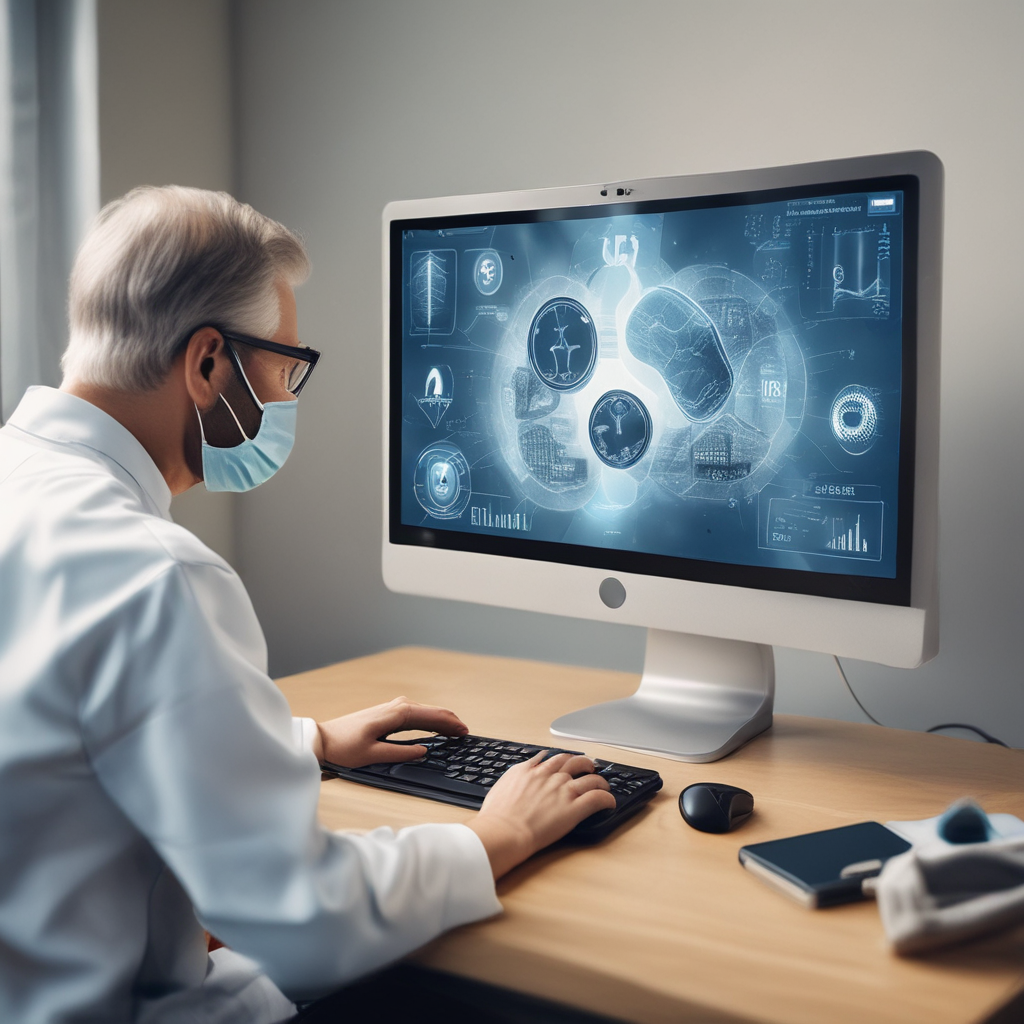 Telemedicine Boosts Access During COVID-19 Crisis - Boosting Access Across Geographies and Demographics
Boosting Access Across Geographies and Demographics
Regulatory and Technical Challenges Remain
While the potential of telemedicine is clear, the researchers note that significant barriers still exist around payment models, licensing, and technology infrastructure. "Telemedicine's payment and regulatory structures, licensing, credentialing, and implementation take time to work through," said Dr. Hollander.
Still, the evidence suggests that healthcare systems that invest in robust telemedicine capabilities will be better positioned to weather future crises and provide equitable, accessible care year-round. As the technology continues to evolve, the authors believe telemedicine will become an indispensable component of high-quality, patient-centered healthcare delivery.
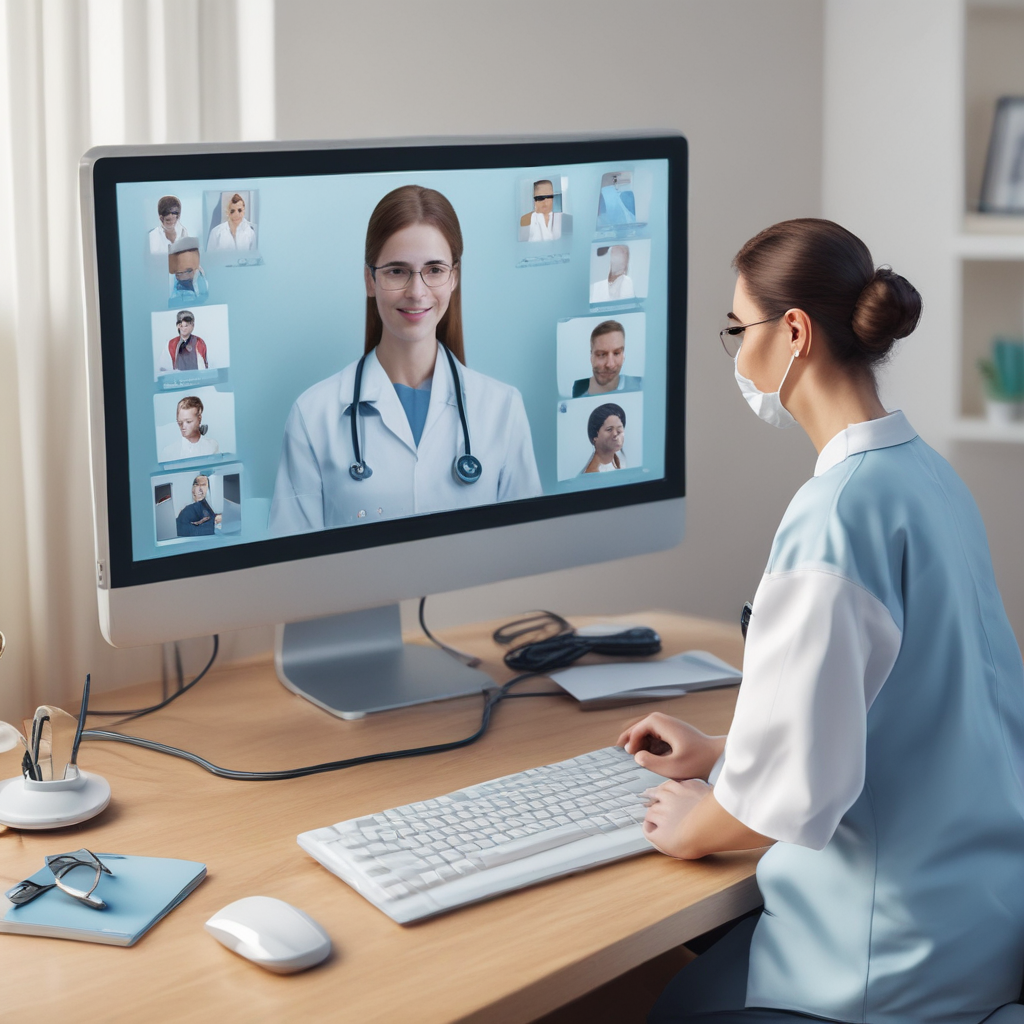 Telemedicine Boosts Access During COVID-19 Crisis - Regulatory and Technical Challenges Remain
Regulatory and Technical Challenges Remain
References
-
J. Hollander, B. Carr (2020). "Virtually Perfect? Telemedicine for Covid-19.." semantic-scholar. [Link] (2395 citations)
-
Pankajkumar A Anawade, Deepak Sharma, Shailesh Gahane (2024). "A Comprehensive Review on Exploring the Impact of Telemedicine on Healthcare Accessibility." semantic-scholar. [Link] (130 citations)
-
Victor C Ezeamii, O. Okobi, Hassana Wambai-Sani et al. (2024). "Revolutionizing Healthcare: How Telemedicine Is Improving Patient Outcomes and Expanding Access to Care." semantic-scholar. [Link] (111 citations)
-
Huawei Jiang, Husna Mutahira, Gan Huang et al. (2025). "One Dimensional CNN ECG Mamba for Multilabel Abnormality Classification in 12 Lead ECG." arxiv. [Link]
-
Junhua Zhou, Quanjun Li, Weixuan Li et al. (2025). "TDADL-IE: A Deep Learning-Driven Cryptographic Architecture for Medical Image Security." arxiv. [Link]