Technology & AI
Why Financial Institutions Are Converging on Transaction Foundation Models to Build Their Own Intelligence
By Pahal Patangia Source: Nvidia.com
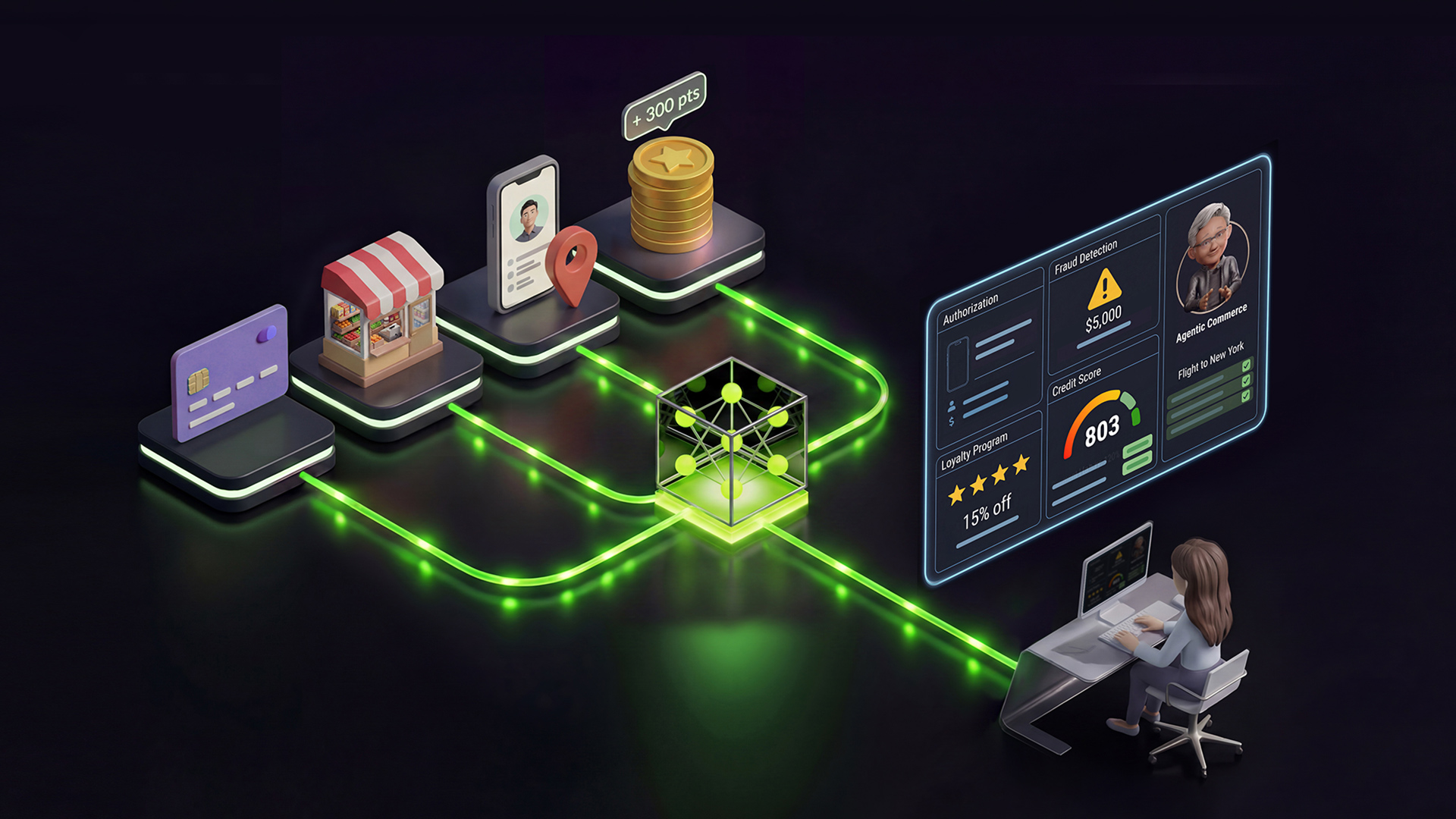
Financial institutions are increasingly adopting transaction foundation models as a unified approach to AI development, moving away from building separate task-specific models for fraud detection, credit assessment, and risk management. These foundation models, trained on vast transaction data, offer greater efficiency, cost savings, and flexibility compared to maintaining multiple specialized systems. The shift reflects the industry's recognition that a single, adaptable AI foundation can better serve diverse financial applications while reducing complexity and operational overhead.
Read Full Article at Nvidia.comRelated Articles
OpenAI vs Anthropic Web Search Pricing: Same $10 Sticker, Two Different Bills
OpenAI and Anthropic both list web search at $10 per 1,000 calls, but they bill the retrieved content differently. What one search costs on each API, and the settings that cap it.
EU AI Act Article 73 Serious Incident Reporting Requirements: The Clock Starts When You Find Out
Under the EU AI Act Article 73 serious incident reporting requirements, the deadline does not wait for your investigation to finish. It starts when the provider or deployer becomes aware of the serious incident. Article 73 does give fixed limits of 2, 10 and 15 days, but its main instruction is…
EU AI Act AI Literacy Requirements for Managers: A Softer Rule Meets Live Enforcement
Article 4 still requires providers and deployers of AI systems to support their staff's AI literacy, but since mid-July 2026 no specific level is required. National authorities can enforce it from 2 August 2026.
Gemini API Free Tier Data Privacy: What Google Keeps, and Why Europe Gets Paid Rules for Free
On Google AI Studio and the free Gemini API quota, Google uses your prompts and responses to improve its products, and human reviewers may read them. Paid services don't, Europe gets the paid rules for free, and Search grounding keeps data for 30 days.